

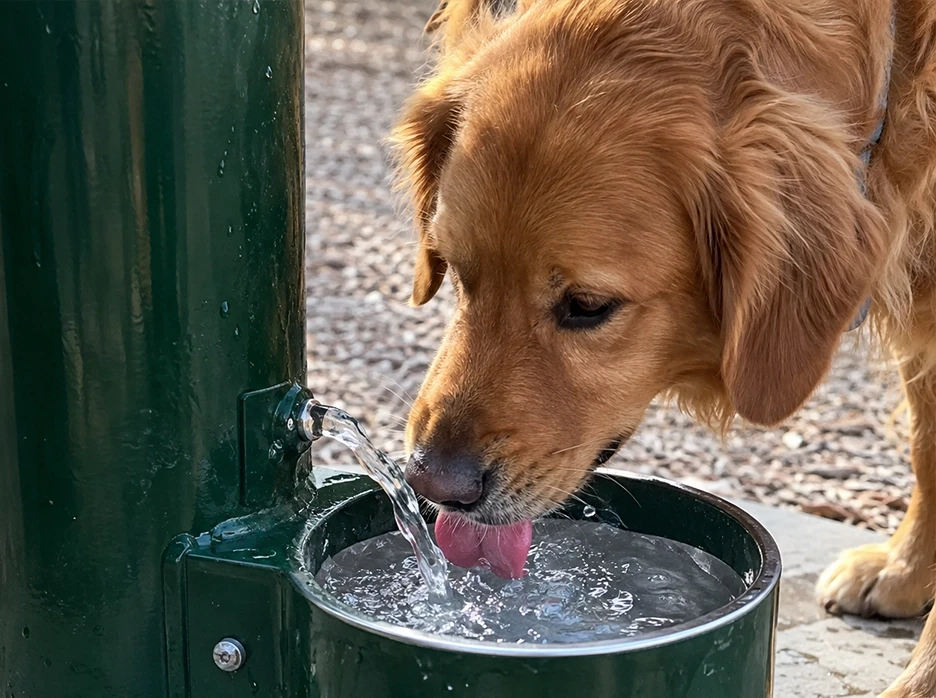
Dogs can become warm and thirsty during active play, especially when outdoor temperatures and humidity rise. Access to fresh drinking water gives owners a convenient way to offer hydration breaks and helps park operators plan for the everyday needs of canine visitors.
This article explains how hydration relates to canine activity, what signs of heat-related illness deserve attention, and how drinking fountain placement, design, and maintenance influence water access in public dog parks.
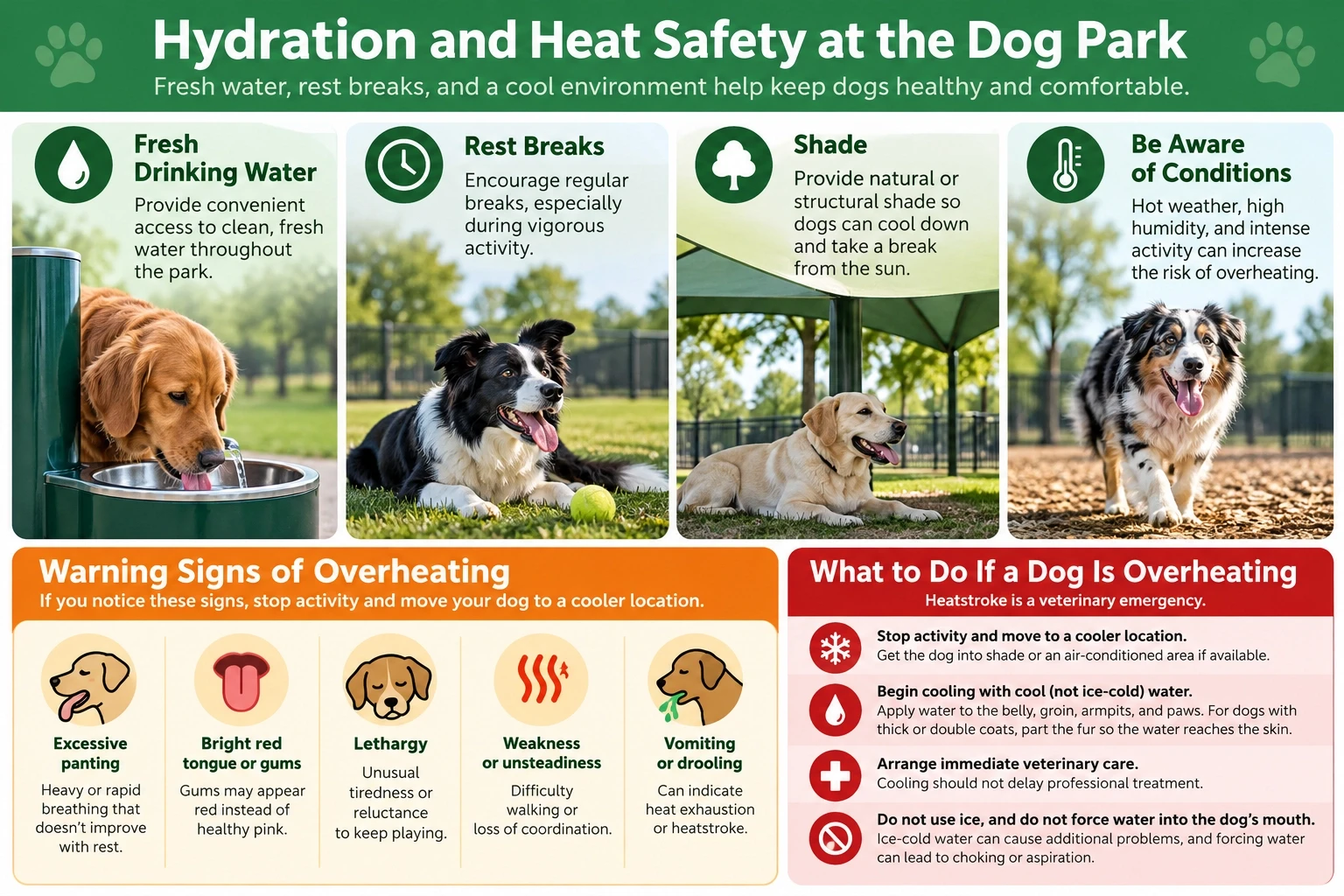
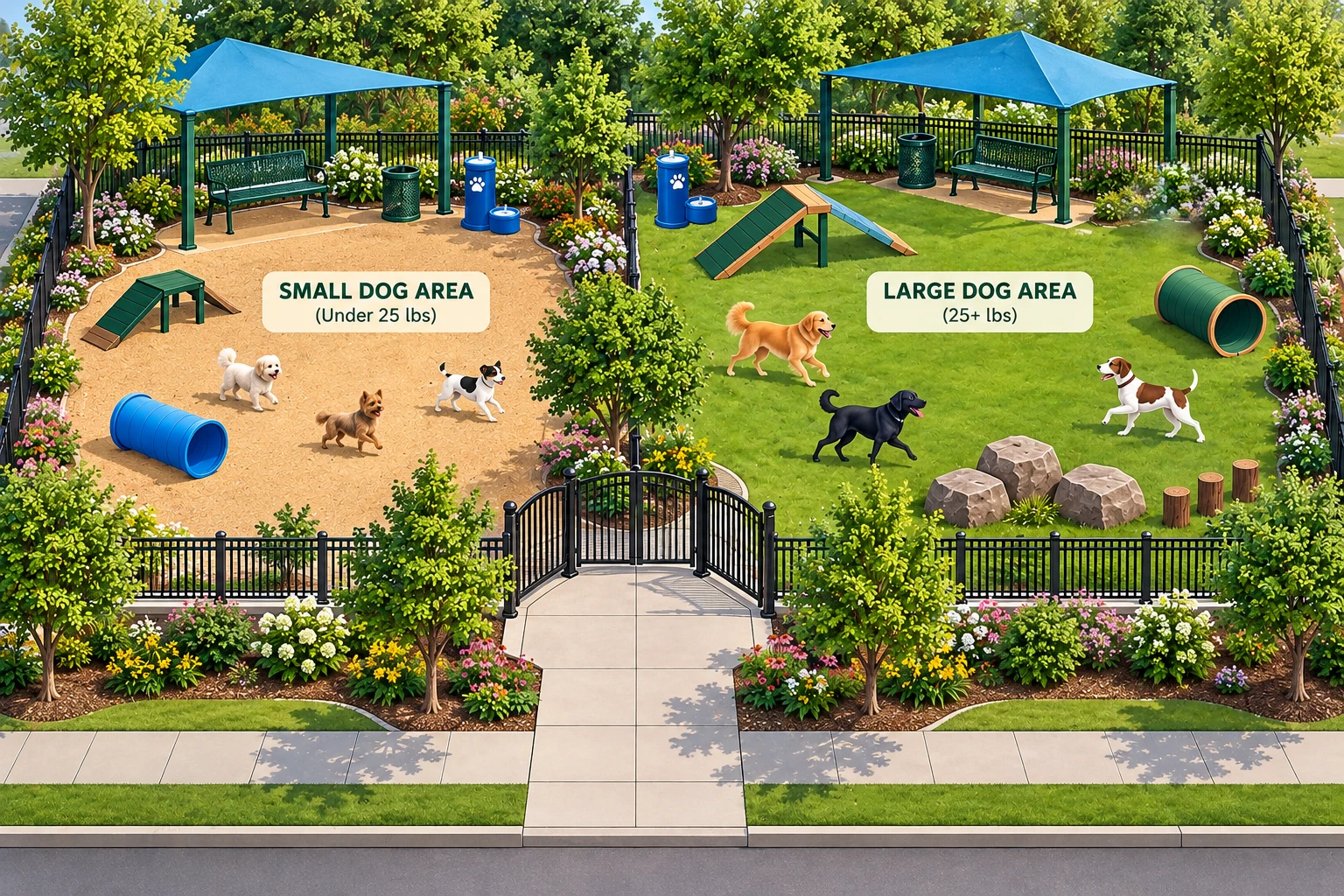
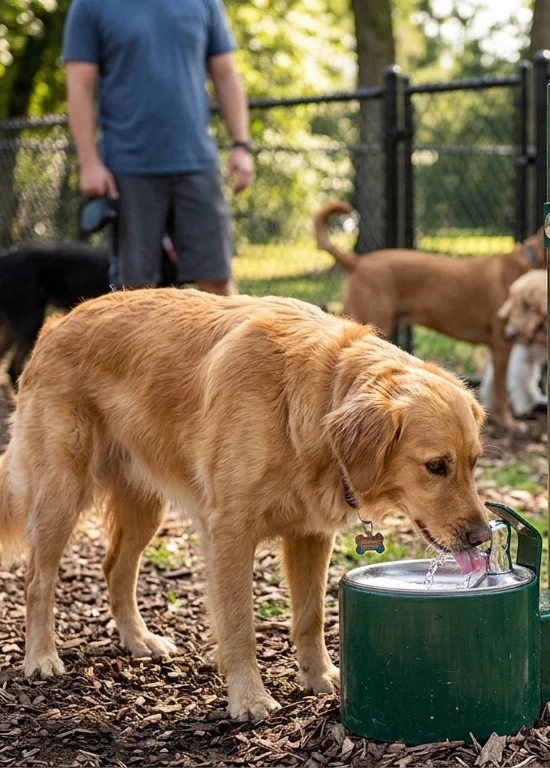
Running, chasing, and exploring can increase a dog's need for drinking water. Dogs primarily release excess heat by panting, and active dogs benefit from opportunities to stop, rest, and drink. A dependable water source makes those breaks easier for owners to plan. Water needs are not identical for every dog. Activity level, temperature, humidity, coat type, age, and health can all affect how comfortably a dog exercises. Owners should observe their dog's behavior and adjust play accordingly, rather than rely on a fixed schedule or a single amount of water. At parks with agility equipment, breaks are especially useful between active sessions. See how to introduce dogs to agility equipment for a gradual approach to activity. Dehydration means the body has lost more fluid than it has taken in. Signs may include unusual tiredness, dry or tacky gums, and reduced interest in activity. Overheating is different: a dog may develop dangerously high body temperature even if water has been available. Excessive panting, drooling, vomiting, weakness, confusion, or collapse can indicate a serious heat-related problem. Suspected heatstroke is an emergency. Stop activity, move the dog to a cooler location, contact an emergency veterinarian immediately, and begin cooling while arranging transport. Apply cool water over the body and promote airflow. For thick- or double-coated dogs, separate the fur so water reaches the skin rather than wetting only the outer coat. Do not use ice-cold water or force a distressed dog to drink. Follow the veterinarian's instructions and do not delay treatment. For broader outdoor heat precautions, see Staying Safe in the Heat: Tips to Follow During Heat Advisories. Visitors often bring portable water bottles and bowls, which remain useful even at parks with permanent fountains. A fixed water station provides an additional, predictable source of drinking water when a suitable potable-water supply is available. A dedicated pet-height bowl or drinking fixture makes it easier for owners to offer water during play breaks. In a mixed-use recreation area, a combination human-and-pet fountain can serve both groups at one station. Permanent fixtures can be incorporated into the park's circulation, drainage, and maintenance plan. Managers can define where water is available rather than relying entirely on informal bowls placed by visitors. Water access complements shade, seating, waste receptacles, and well-maintained play surfaces. Together, these amenities make a dog park more practical for routine visits. Choose a drinking station according to the park’s layout and users, not appearance alone. For parks with separate large- and small-dog enclosures, consider installing a dog fountain within each section when potable-water plumbing and drainage are available. A combined human-and-pet model may also be practical along a shared path or at an entrance. Some combination models offer a hose faucet for filling a visitor’s own bowl; actual filling speed depends on water flow and the selected fixture. Check the individual product page and installation instructions for available features, materials, plumbing connections, mounting, and maintenance requirements. Fountain location should be considered early in the site plan, ideally before utilities and walking surfaces are finalized. A convenient location is one that visitors can reach without crowding entrances or interrupting circulation. Place water access where owners can safely stop without obstructing gates or heavily used paths. A location near seating or shade may encourage rest breaks, provided the area has enough room for dogs and people to gather. When large and small dogs have separate fenced play areas, providing a dedicated dog drinking fountain inside each area is a practical option wherever suitable plumbing and drainage are available. This lets owners offer water during play breaks without leaving their designated enclosure. Repeated splashing can create wet ground around the station. Evaluate grading, surface materials, drainage, and where overflow will go. Avoid placing a fountain where standing water would accumulate along a primary walking route. Allow enough space around the fountain for dogs and owners to pause without crowding paths. Confirm plumbing, backflow prevention, drainage, and winterization needs with the project team and relevant authorities. A shared drinking station is exposed to dirt, saliva, leaves, and frequent use. Cleaning and inspection procedures help keep it functional and reduce avoidable contamination. The appropriate frequency depends on park traffic, weather, and the fountain manufacturer’s instructions. No fountain material eliminates the need for cleaning. Staff should use products and procedures appropriate for potable-water equipment and surfaces that dogs may contact. A short site assessment can prevent mismatches between the fountain and the park's utilities or daily operation. Review commercial dog park water fountain options when comparing controls, bowl arrangements, and installation requirements. Offer water during regular play breaks and more frequently when activity or weather increases the need. There is no single schedule that fits every dog; owners should watch for fatigue, heavy panting, and changes in behavior. Yes. Water helps with hydration, but it does not by itself prevent heat-related illness. Exercise intensity, heat, humidity, and individual risk factors still matter. They serve different purposes. A permanent station provides a predictable water source, while a portable bowl lets owners offer water away from the fixture and can serve as a backup. Yes, where plumbing and drainage make it practical. A dedicated fountain inside both the large-dog and small-dog enclosures gives each group convenient water access without leaving its fenced play area. Inspect and clean them regularly, remove debris, and follow the fixture manufacturer's instructions for cleaning and sanitizing pet-contact surfaces. Frequency should reflect park use and conditions. Yes. Combination models are available. Confirm the exact fixture's outlets, faucet options, controls, and installation needs. Reliable drinking water works best as part of a broader dog park plan that includes rest areas, shade, safe circulation, drainage, and routine maintenance. Selecting a station that suits the layout and daily use makes it easier for visitors to pause and offer water during play.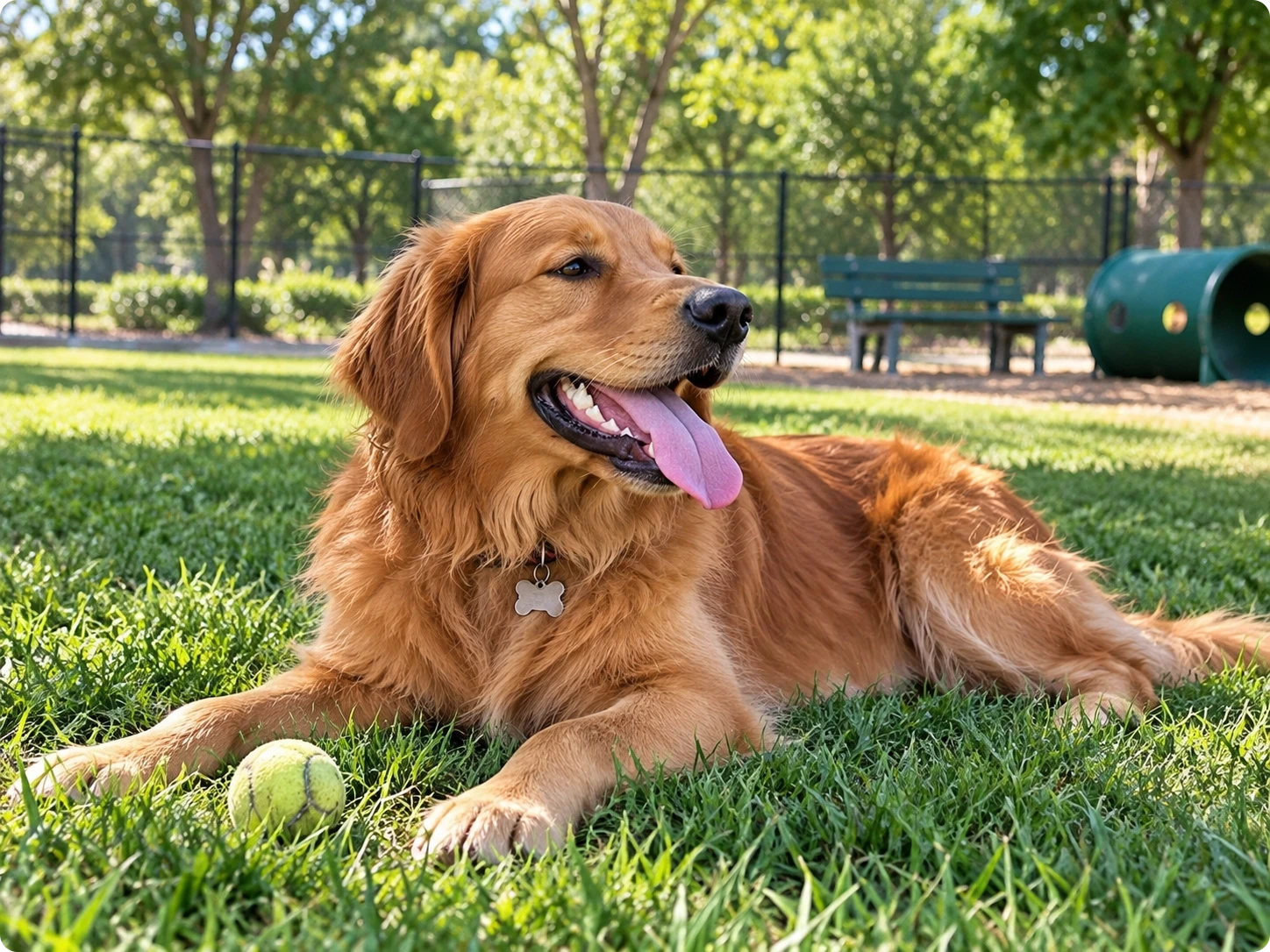
Key Takeaways
Why Hydration Matters at the Dog Park
Recognizing Dehydration and Overheating
Why Dog Parks Benefit from Dedicated Water Stations
Making water accessible during play breaks
Integrating water into the park layout
Supporting everyday park use
Choosing the Right Dog Park Water Fountain
Configuration Potential fit Planning consideration Pet-only fountain Dedicated dog play zone Dog bowl height, controls, cleaning access Dual-bowl pet fountain Areas serving dogs of different sizes Bowl arrangement and simultaneous access Human-and-pet combination Shared walking paths or entrances Human drinking access, dog access, clearances Human-and-pet combination with hose faucet Locations where visitors may refill portable bowls Confirm faucet availability, flow, connection and drainage Where Should Dog Park Water Fountains Be Installed?
Near a convenient pause point
Provide water within each dog play area
Plan for drainage and muddy conditions
Allow room for use and maintenance
Keeping Dog Park Water Fountains Clean and Operational
Questions to Ask Before Buying a Dog Park Water Fountain
Frequently Asked Questions
How often should dogs be offered water at the dog park?
Can a dog overheat even when drinking water?
Is a permanent fountain better than a portable bowl?
Should separate dog park areas have separate fountains?
How should shared drinking bowls be maintained?
Can one fountain serve people and dogs?
Related Dog Park Planning Resources
Planning Water Access for a Dog Park


Leave your comment