

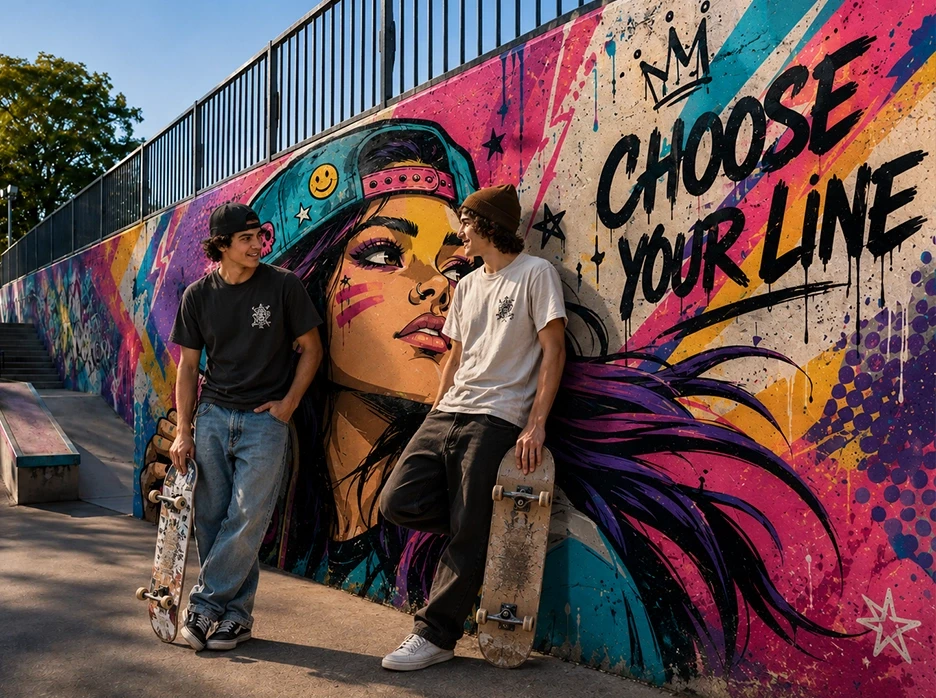
The sound of wheels rolling across concrete, the snap of a board landing after a trick, and friends cheering from the sidelines are becoming familiar sounds in communities across America.
Skate parks are getting some much-needed attention—and for good reason.
What began decades ago as a creative way for surfers to recreate the feeling of riding waves on land has grown into a sport with worldwide appeal. Skateboarding has developed its own culture, language, fashion, equipment, and community. Today, it isn't unusual to see multiple generations sharing the same skate park.
.webp)
That evolution has changed what communities should expect from their local skate parks, too.
A few ramps surrounded by pavement may technically give people somewhere to skate, but today's riders are looking for something better: a welcoming community skate park where beginners can learn, experienced riders can progress, friends can gather, and everyone can comfortably spend an afternoon.
For municipalities and parks departments, that means it may be time to look beyond the ramps.
From "Sidewalk Surfing" to a Community Sport
Skateboarding has come a remarkably long way.
Its early roots are commonly traced to California's surf culture, where surfers experimented with putting wheels beneath boards so they could practice something resembling surfing when the waves weren't cooperating. The activity eventually earned the nickname "sidewalk surfing."
.webp)
What started as a niche pastime developed into a global sport, eventually reaching one of the world's biggest athletic stages: the Olympic Games.
But skateboarding has always been about more than competition.
Boards become personal expressions. Riders choose decks, wheels, trucks, shoes, clothing, and gear that reflect their individual style. Tricks develop into signatures. Local skating groups develop their own personalities.
The skate park becomes the place where all of it comes together.
And when the local skate park feels forgotten, the community notices.
When the Skate Park Looks Like Nobody Cares
.webp)
Imagine investing in a new board and practicing for months on a homemade backyard ramp. You're finally ready to try bigger transitions, meet other skateboarders, and challenge yourself.
You head to your community skate park...
...and find cracked surfaces, aging ramps, nowhere comfortable to sit, little shade, and a layout that hasn't received meaningful attention in years.
That's not exactly an invitation to stay.
An outdated skate park can unintentionally send the message that the space—and the people who use it—aren't a priority.
Fortunately, improving an existing skate park doesn't necessarily mean starting over. Strategic improvements can transform an aging facility into a much more welcoming recreation destination.
Start With the Reason Everyone Came: The Skate Features
.webp)
Before adding amenities around the park, make sure the skating environment itself deserves the attention.
Worn riding surfaces, deteriorated ramps, damaged rails, loose components, drainage problems, and other potential hazards should be evaluated by qualified professionals and addressed appropriately.
Regular inspections should also become part of the park's ongoing maintenance program rather than something that happens only after a visitor reports a problem.
Once the fundamentals are addressed, communities can look for opportunities to make the park more interesting.
Different skate features can create opportunities for riders to practice different skills, including appropriately designed ramps, bowls, rails, ledges, banks, stairs, transitions, and open areas.
The objective isn't simply to pack as many obstacles as possible into the available space. A successful layout should create intentional areas for progression while maintaining the flow needed for riders to move through the park.
Give Beginners Somewhere to Start
.webp)
Every experienced skateboarder was once the person trying to stay on the board for more than five seconds.
A park filled exclusively with intimidating features can make new riders hesitant to participate.
When space and design permit, incorporating areas appropriate for different experience levels can make a community skate park more approachable.
Beginners need room to learn fundamentals. Intermediate riders need opportunities to progress. Advanced skateboarders want features that continue challenging them after they've mastered the basics.
Clearly defined skill areas can also help visitors better understand where they may be most comfortable.
This isn't only about accommodating children. Teenagers and adults pick up skateboarding for the first time, too.
A park designed around progression gives them somewhere to begin.
Add Skate Park Seating—Because Everyone Needs a Break
.webp)
Even the most dedicated skateboarder eventually needs to sit down.
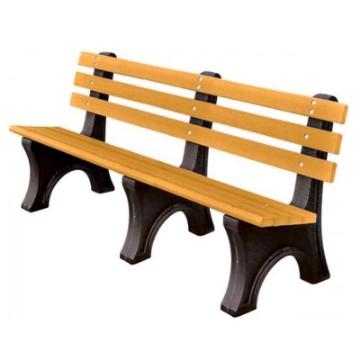
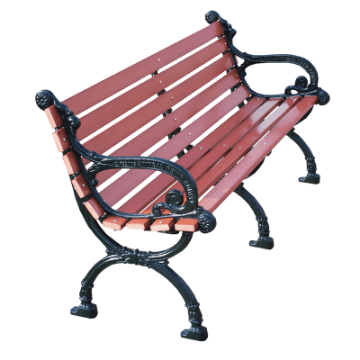
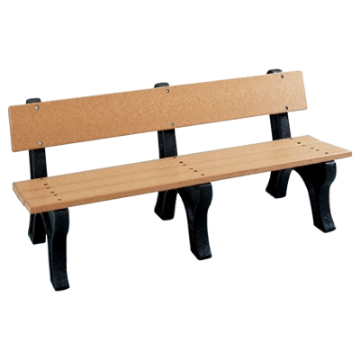
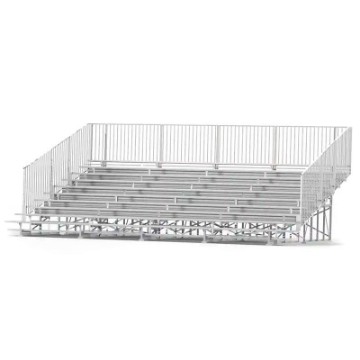
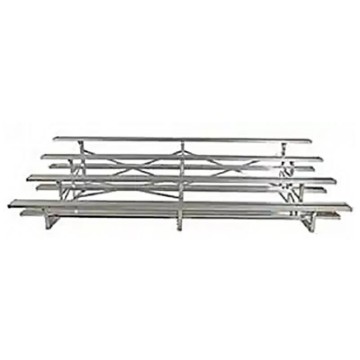
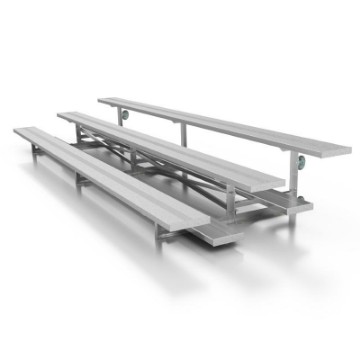
That makes skate park seating one of the simplest improvements a community can make around an existing facility.
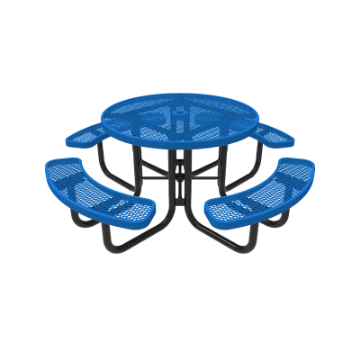
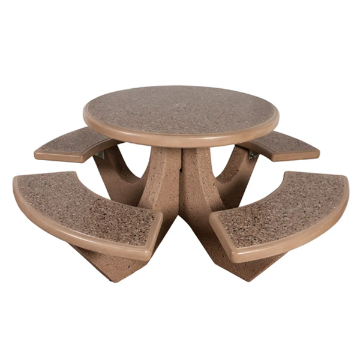
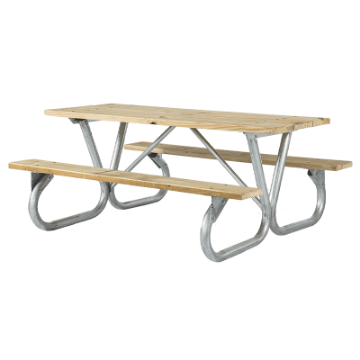
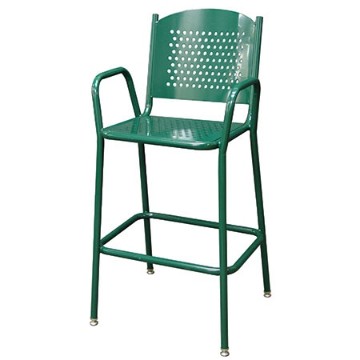
Commercial park benches, picnic tables, and other designated seating give riders somewhere to rest between sessions, adjust equipment, talk with friends, or simply watch what's happening.
.webp)
Seating is equally important for people who aren't skating.
Parents may spend hours at the park while their children practice. Friends come to watch. Siblings tag along. Spectators stop to see an impressive run.
Without designated seating, people inevitably find alternatives—and those alternatives may be curbs, landscaping, retaining walls, or other places never intended to function as seats.
Where Should Skate Park Benches Go?
Placement deserves just as much thought as the bench itself.
Seating should be positioned outside active riding paths while maintaining useful views of the skating areas. Parents and caregivers, in particular, may appreciate locations where they can comfortably watch younger riders without standing directly beside the action.
Avoid creating bottlenecks around entrances and exits or placing benches where skateboards could regularly roll into seated visitors.
A thoughtfully positioned bench says, "Stay awhile."
.webp)
That's exactly the message a revitalized community park should send.
Create a Place to Hang Out, Not Just Skate
.webp)
Skateboarding is inherently social.
Riders watch one another, trade tips, celebrate new tricks, compare boards, and occasionally spend considerably more time talking about attempting a trick than actually attempting it.
That's part of the experience.
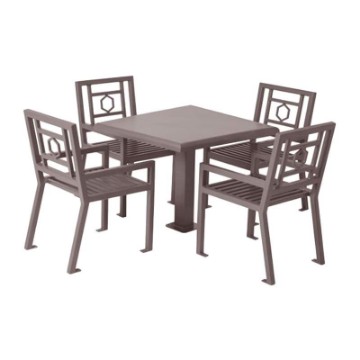
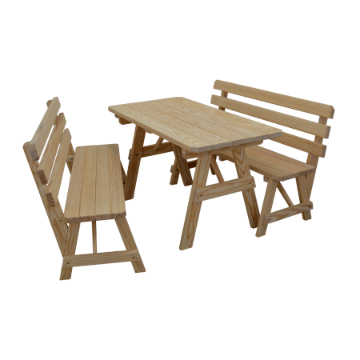
Picnic tables can help support that social side of the skate park. They provide space for groups to sit together, eat lunch, set down personal items, or take a longer break between sessions.
A small gathering area with commercial picnic tables and park benches can turn the perimeter of a skate facility into a useful social zone without interfering with the skating itself.
It also makes the park more welcoming to families and groups who may spend several hours there.
Bring On the Shade
Concrete and summer sunshine can be an unforgiving combination.
Skate parks are often highly exposed environments with large paved surfaces and relatively few trees directly around the active riding area. That can leave riders and spectators searching for relief on hot days.
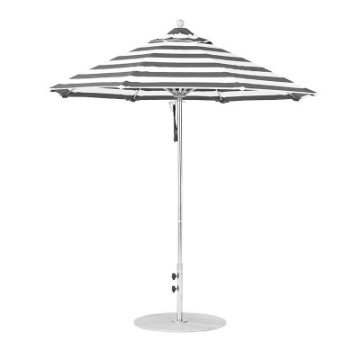
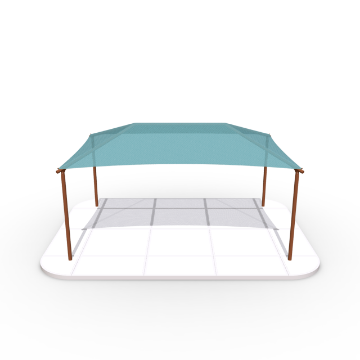
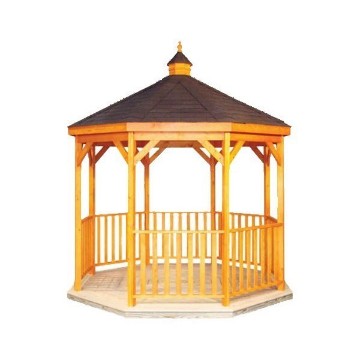
Adding shade structures to skate parks can make rest areas significantly more comfortable.
Shade can be incorporated over benches, picnic tables, spectator areas, and other designated gathering spaces outside the riding zone.
This becomes particularly valuable for parents watching children, riders cooling down between sessions, and visitors spending extended periods at the facility.
A shaded bench isn't the most exciting feature in a skate park.
After an hour of skating in the summer sun, however, it might become everyone's favorite one.
Keep Water Within Reach
Skateboarding is physical exercise, and active riders need opportunities to hydrate.
Providing conveniently located drinking fountains or bottle-filling stations can encourage visitors to drink water without leaving the facility.
Placement should make hydration easy to access without interfering with active skate routes.
Water access becomes even more valuable when combined with shaded rest areas. Together, these amenities give visitors somewhere to stop, cool down, hydrate, and recover before heading back out.
Don't Forget Trash Receptacles
.webp)
Where people gather, trash follows.
Water bottles, snack wrappers, broken gear packaging, and everyday litter can quickly change the appearance of a public skate park.
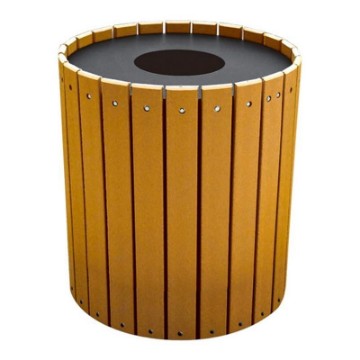
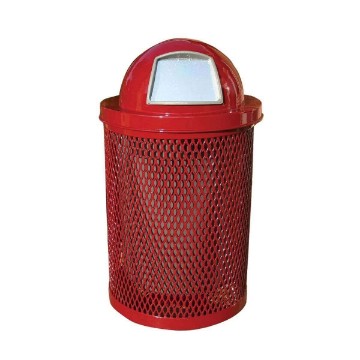
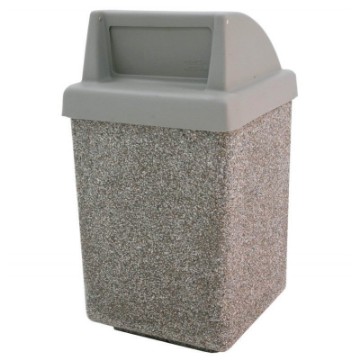
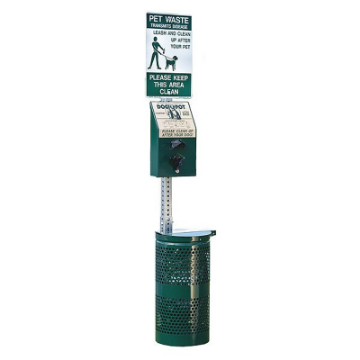
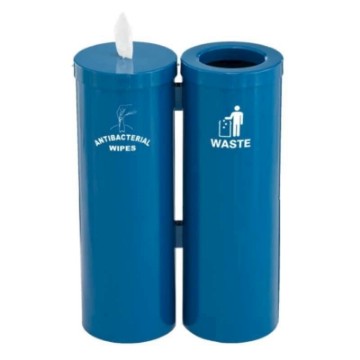
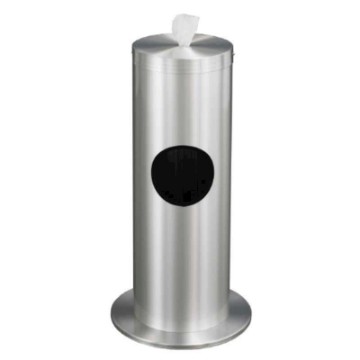
Strategically placed commercial outdoor trash receptacles give visitors an easy way to help keep the facility clean.
Look at the places where people naturally stop: entrances, seating areas, picnic tables, water fountains, and other gathering points. These are often logical places to consider receptacle placement.
The easier disposal is, the less likely someone is to leave a bottle sitting beside a bench.
Give Spectators a Reason to Enjoy the Park, Too
One of the biggest opportunities in skate park design may exist outside the skating area itself.
A 12-year-old may be thrilled to spend three hours practicing the same trick.
The parent who drove there might feel differently.
Comfortable seating, shade, drinking water, and convenient gathering areas improve the experience for everyone who accompanies a rider. Those amenities can help turn skateboarding into an activity the whole family can comfortably support.
Parents can watch.
Friends can socialize.
Younger siblings have somewhere to sit.
Riders can take breaks without leaving.
The skate park begins functioning as a genuine community space rather than an isolated concrete facility.
Consider Accessibility Throughout the Site
A community skate park should also consider how people with different mobility needs reach and use its surrounding amenities.
Accessible routes can connect parking areas, entrances, spectator seating, drinking fountains, picnic areas, and other supporting amenities. When picnic tables or other seating areas are provided, applicable accessibility requirements should be considered as part of the overall site design.
Accessibility shouldn't be treated as an isolated feature added at the end of the project.
It should be part of how people move through and experience the entire park.
Choose Site Furniture That Can Handle the Environment
A skate park isn't a quiet backyard patio.
It's a high-energy public recreation environment, and its furnishings should be selected accordingly.
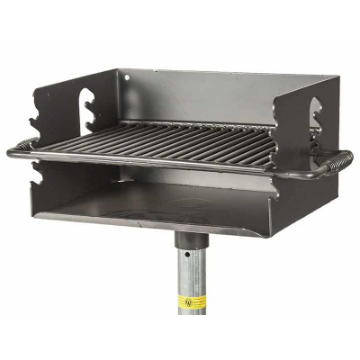
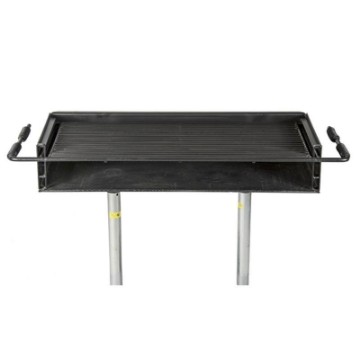
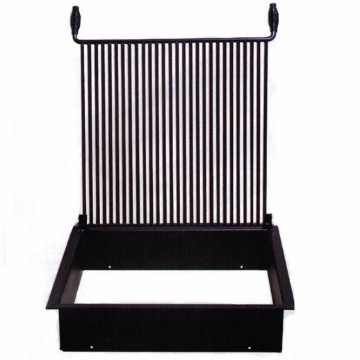
When evaluating commercial outdoor furniture for skate parks, municipalities should consider durability, maintenance requirements, mounting options, exposure to weather, anticipated traffic, and how each product fits the surrounding park design.
Materials commonly used for commercial park furniture include thermoplastic-coated steel, powder-coated steel, recycled plastic, aluminum, concrete, and other products designed for public outdoor environments.
Mounting deserves consideration as well. Depending on the product and site, surface-mounted or in-ground furnishings can help maintain the intended layout and discourage unwanted movement.
The goal isn't to make the skate park indestructible.
It's to select furnishings appropriate for the realities of a heavily used public space.
Give the Park Some Personality
 (1).webp)
Skateboarders aren't known for being afraid of personality.
Why should their park be?
A skate park renovation is an opportunity to create a recognizable identity for the facility. Site furniture colors can coordinate with community branding, skate features, signage, or surrounding park amenities.
A municipality might choose bold colors for an energetic youth-oriented space or more understated finishes to integrate the skate park with a larger recreation complex.
Public art can provide another opportunity. Murals and approved art installations can celebrate local culture and give riders a backdrop that feels specific to their community.
The best skate parks don't feel as though they were dropped onto an empty piece of land.
They feel like they belong there.
Ask Local Skateboarders What the Park Needs
Here's one improvement that doesn't require concrete, steel, or construction equipment:
Ask the people who actually use the park.
Local skateboarders can offer insight that may not be obvious from a site plan.
Where do people naturally congregate?
Which area feels too crowded?
Where is shade needed most?
Are beginners struggling to find somewhere comfortable to practice?
Where would a bench actually be useful?
What feature keeps people traveling to another city's skate park instead?
Community meetings, online surveys, workshops, and conversations at the park can help municipalities understand how visitors actually use the facility.
Not every suggestion will be practical, of course.
Someone will probably request a feature roughly the size of a small mountain.
But recurring feedback can reveal priorities that deserve serious consideration.
Think Beyond the Skateboard
.webp)
Although skateboarding may be the primary activity, modern skate facilities may attract users with scooters, BMX bikes, inline skates, or other wheeled recreation depending on facility rules and design.
That makes clear signage important.
Communities should establish and communicate facility rules, permitted activities, hours, expectations, and other policies appropriate to the park.
The surrounding amenities should likewise be planned for the actual visitor population rather than an imagined "typical skateboarder."
Today's skate community is remarkably diverse.
The park should recognize that.
Skate Park Improvement Checklist for Communities
When evaluating an aging skate park, municipalities and parks departments can begin by asking:
- Are riding surfaces and skate features in good condition?
- Are there opportunities appropriate for different skill levels?
- Is there comfortable seating outside active skating areas?
- Can parents and spectators see the riding areas from designated seating?
- Are shaded rest areas available?
- Is drinking water conveniently accessible?
- Are trash receptacles positioned near gathering areas?
- Are accessible routes and amenities incorporated into the site?
- Is commercial site furniture appropriate for heavy public use?
- Are entrances and circulation paths clear?
- Does the facility have adequate signage?
- Does the park feel clean and maintained?
- Have local skateboarders been asked what improvements they value?
- Is there space for riders to socialize without interfering with active skating?
Sometimes the answers reveal the need for a major renovation.
Other times, a handful of strategic improvements can make an aging park dramatically more welcoming.
More Than a Skate Park
A great skate park doesn't just give someone somewhere to land a kickflip.
It gives a beginner somewhere to fall down, laugh, get back up, and try again. It gives experienced riders somewhere to challenge themselves. It gives parents a place to watch their kids discover something they love. And it gives young people a place where friendships can form around a shared interest.
That is what makes investment in these spaces so valuable.
Skateboarding has traveled an incredible distance from its "sidewalk surfing" beginnings. The boards have changed. The tricks have changed. The culture has grown. The sport has reached the Olympics.
Community skate parks need to evolve along with it.
Repair the worn features. Create opportunities for different skill levels. Add comfortable skate park benches and picnic tables. Build shaded places to recharge. Make water accessible. Keep the grounds clean. Listen to the riders who use the park every week.
Because sometimes giving an old skate park some much-needed TLC isn't merely a park improvement.
It's an investment in the next generation of riders—and a place they'll be proud to call their home park.



Leave your comment