


_936.webp "What to Consider When Buying Commercial Picnic Tables: Tips & Guide")
Choosing a picnic table for a public space involves more than finding a style that looks good. Parks, municipalities, recreation departments, and other public facilities need tables that fit their environment, accommodate expected users, and hold up to the demands of frequent outdoor use.
The right commercial picnic table can provide years of dependable seating while making a park, trail, playground, or recreation area more comfortable and inviting. Before purchasing, consider five important factors: where the table will be used, material, size, shape, and color.
1. Consider Where the Picnic Table Will Be Used
Start with the location. A picnic table that works well beneath a park pavilion may not be the best choice for an exposed waterfront, busy playground, or remote trail.
Consider both the physical environment and how visitors are likely to use the table.
Public Parks
Community parks often need durable, versatile tables capable of handling frequent use by families, groups, and park visitors. Easy maintenance and long service life are especially important when dozens or even hundreds of tables are maintained by the same department.
.webp)
Playgrounds
Tables near playgrounds give parents and caregivers a convenient place to sit while also providing space for snacks, activities, and gatherings. Rounded edges, comfortable access, and placement that maintains clear sightlines toward play areas can be particularly useful.
Pavilions and Picnic Shelters
.webp)
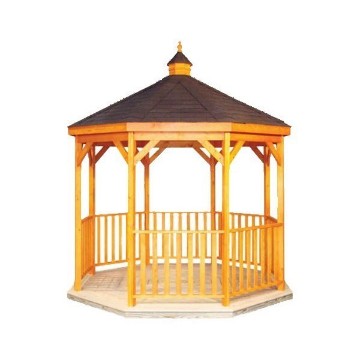
Covered areas receive less direct exposure to sun and rain, which can broaden your material choices. Because shelters are often used for parties and group events, table dimensions and seating capacity may become greater priorities.
Trails and Natural Areas
Picnic tables placed along trails, campgrounds, and natural areas often benefit from designs that visually complement their surroundings. Maintenance access should also be considered. A table located far from service roads may be more difficult to repair or refinish than one in a central park.
Coastal and Waterfront Areas
.webp)
Salt, moisture, wind, and intense sunlight can make waterfront environments especially demanding. Materials, coatings, hardware, and mounting methods should be selected with the site's exposure in mind.
High-Traffic Recreation Areas
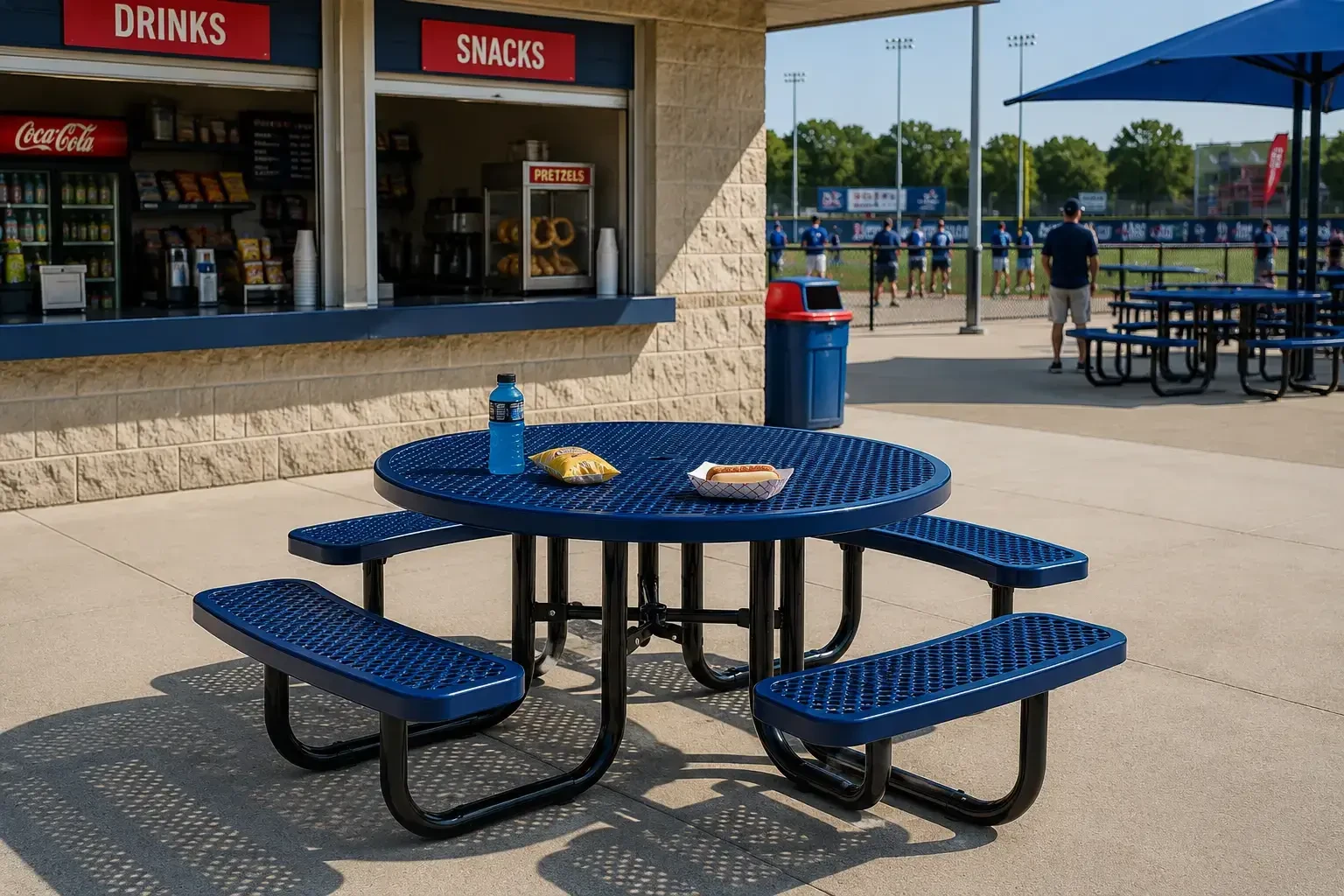
Sports complexes, community centers, aquatic facilities, and similar destinations can experience heavy daily use. Commercial-grade construction and surfaces that are relatively easy for maintenance crews to clean can make a noticeable difference over the life of the furniture.
Buyer Tip: Don't select a table based only on its appearance in a catalog. Think about what will be happening around it five years from now. Exposure, visitor traffic, maintenance routines, and the surrounding landscape can all influence whether a particular table remains a good choice.
2. Choose the Right Picnic Table Material
Material is one of the most important decisions when purchasing commercial picnic tables because it affects appearance, maintenance, durability, comfort, and budget.
Thermoplastic-Coated Steel
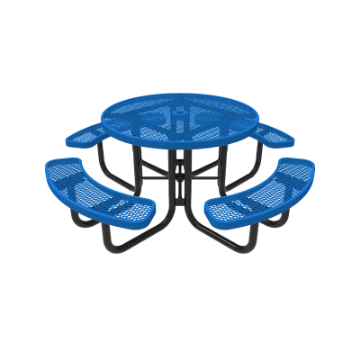
Thermoplastic-coated picnic tables are widely used in parks and recreational facilities. A protective thermoplastic coating covers the steel seating and tabletop surfaces, creating a durable finish suitable for frequent public use.
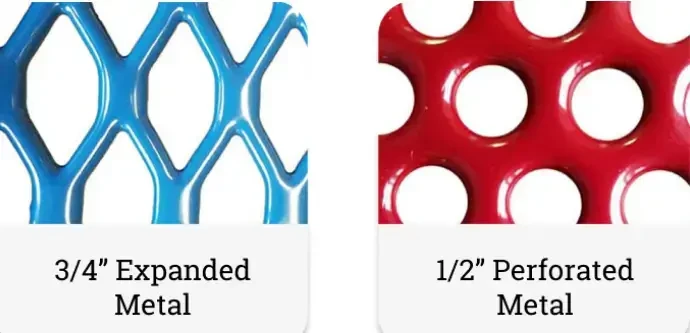
They are a practical choice for playgrounds, municipal parks, schools, sports complexes, and other busy outdoor spaces where durability and straightforward maintenance are priorities.
Recycled Plastic
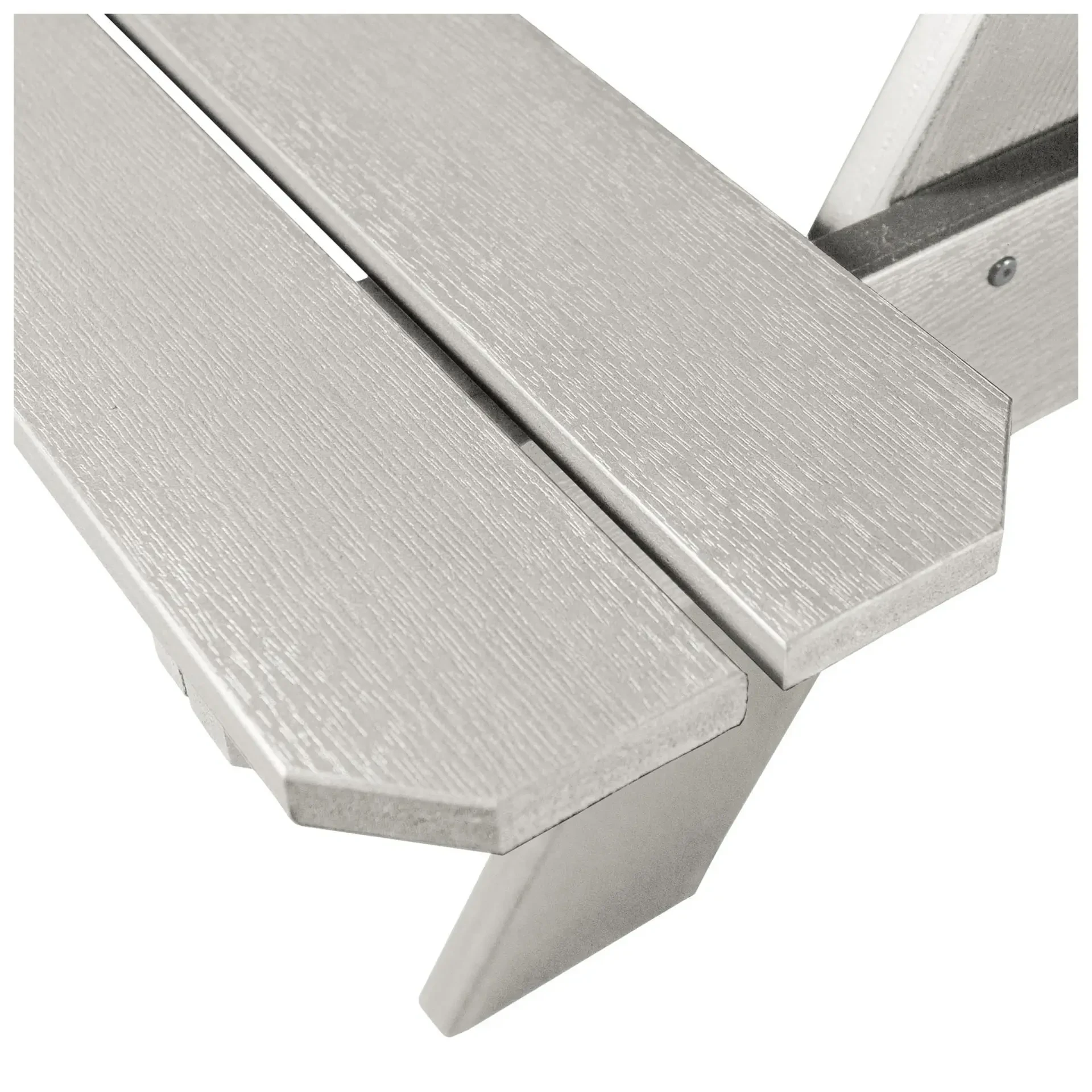
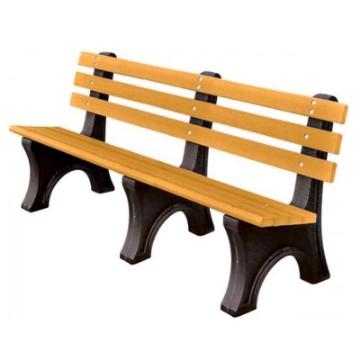
Recycled plastic picnic tables offer the appearance of traditional planks without many of the maintenance requirements associated with natural wood. They do not require routine painting or staining and are available in numerous colors.
Their combination of durability and attractive styling can make them a good option for parks, trails, waterfront areas, and facilities seeking a lower-maintenance alternative.
Aluminum
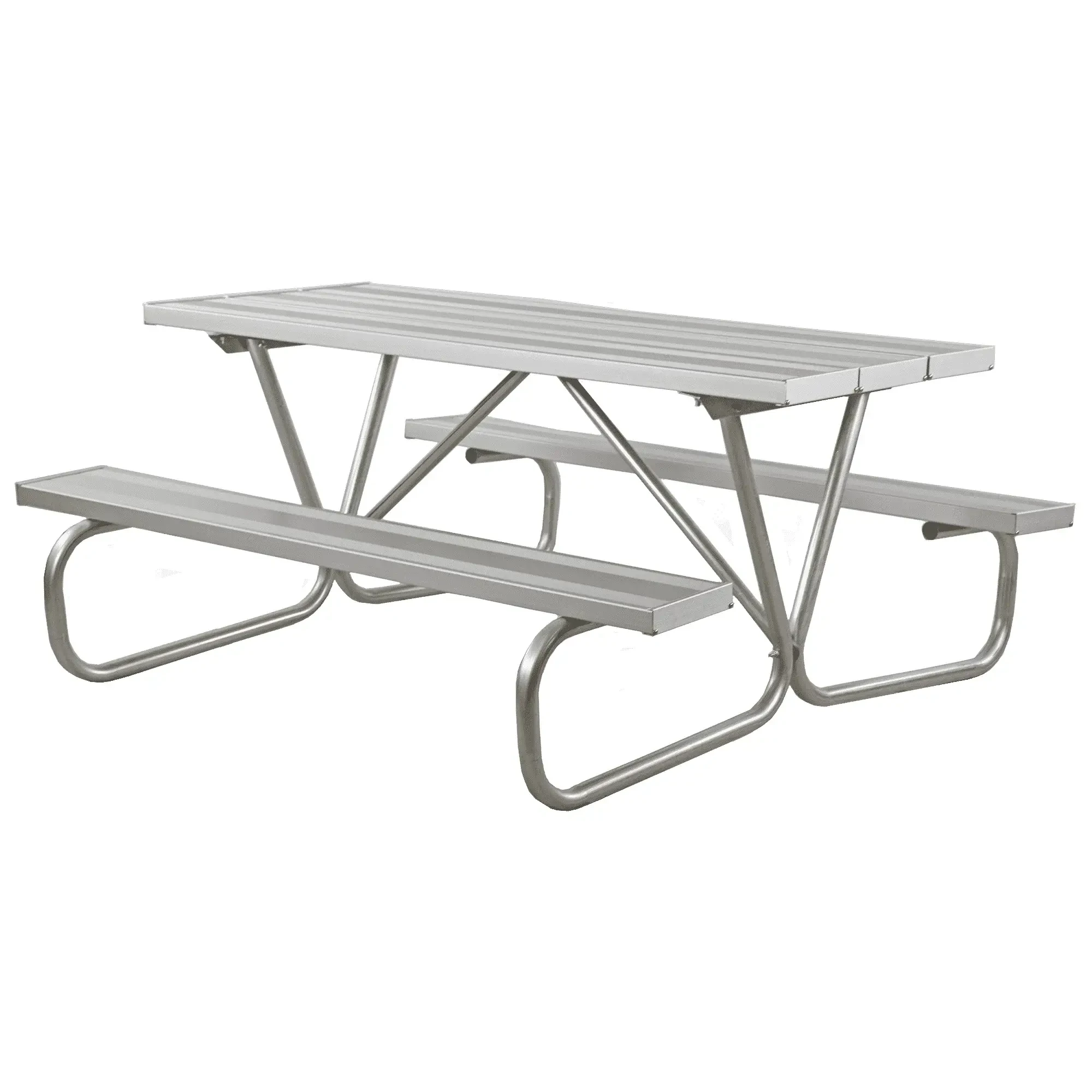
Aluminum picnic tables are comparatively lightweight and naturally resistant to rust. Their lighter weight can be useful when tables need to be repositioned, although facilities should consider whether permanent or semi-permanent mounting is appropriate.
Aluminum is commonly suited to recreation areas, pavilions, pool environments, and locations where corrosion resistance is important.
Wood
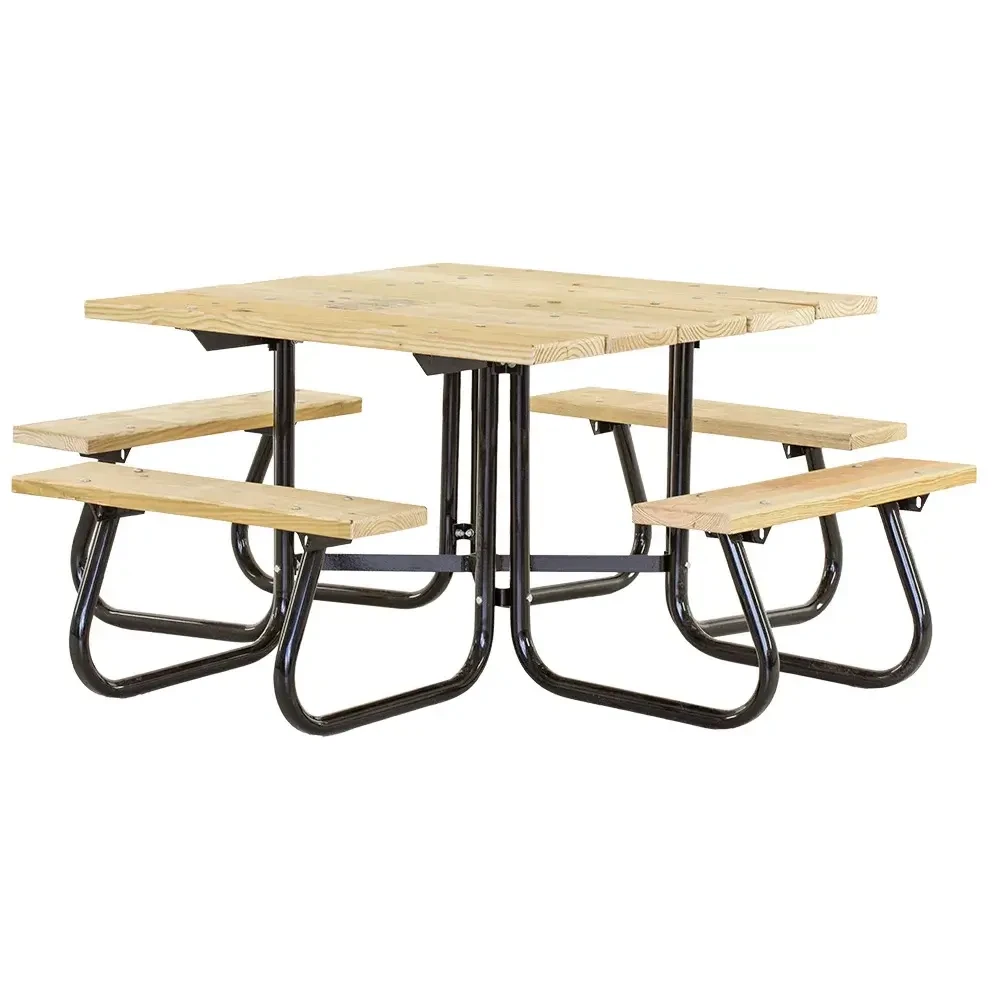
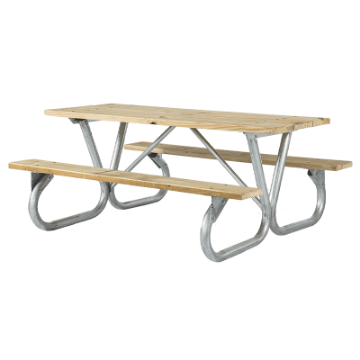
Wood picnic tables provide the traditional appearance many people associate with parks, campgrounds, and natural recreation areas. The material blends particularly well with wooded landscapes and rustic settings.
Unlike many alternative materials, however, wood generally requires periodic maintenance. Cleaning, sealing or staining, hardware inspections, and occasional repairs can help preserve its appearance and service life.
Concrete
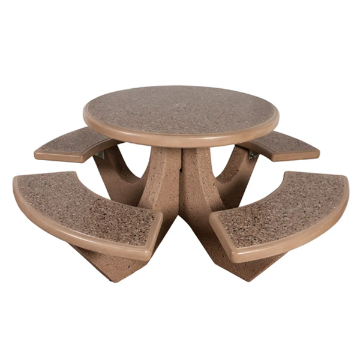
Concrete picnic tables provide substantial weight and a permanent feel. Their mass makes them difficult to casually relocate, which can be beneficial in unsupervised public spaces where furniture movement is undesirable.
Concrete works particularly well for rest areas, public parks, streetscapes, and other locations where a substantial, stationary table is preferred.
Fiberglass
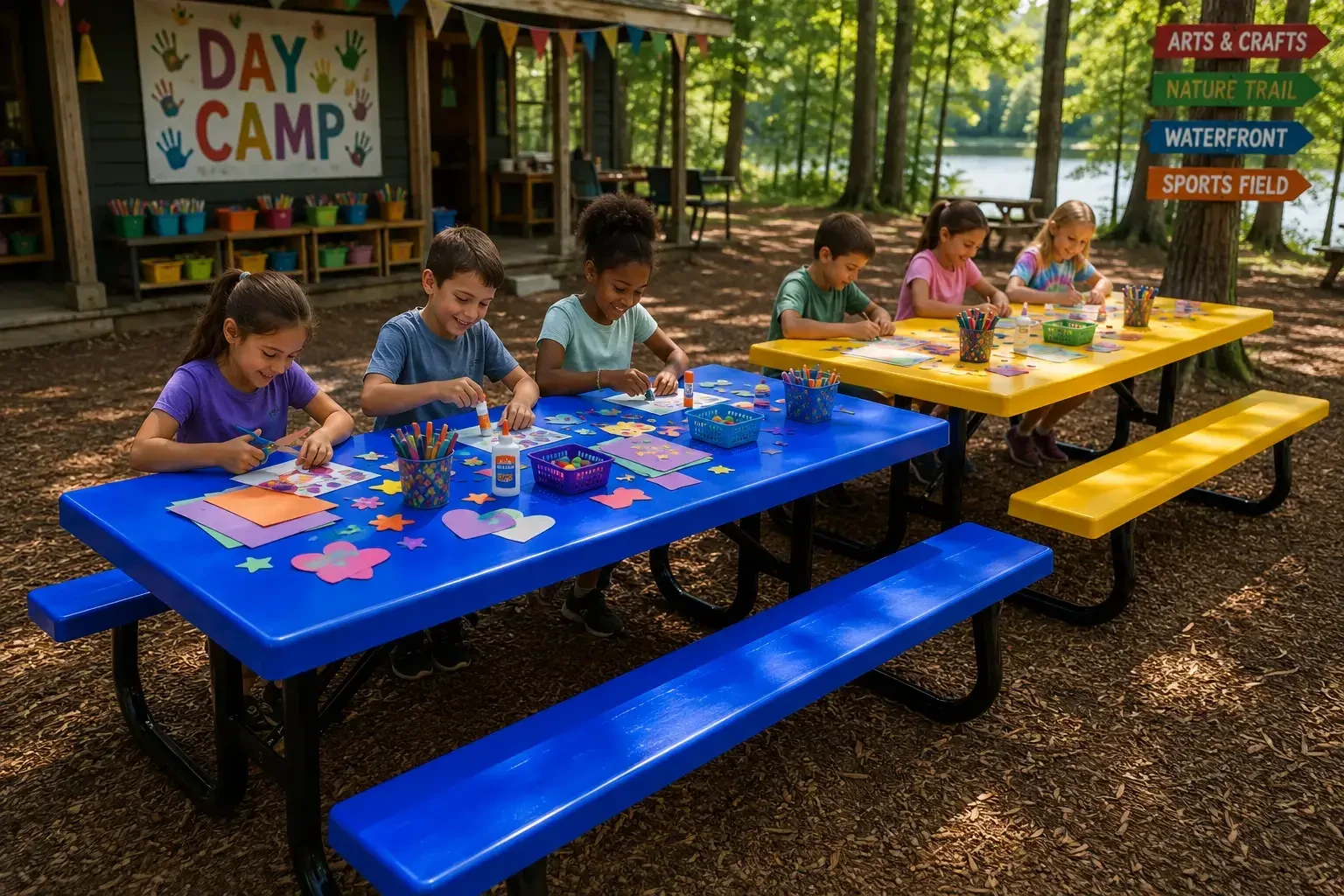
Fiberglass picnic tables provide another option for facilities seeking commercial outdoor seating. Their smooth surfaces are available in various colors and configurations, making them useful where appearance, ease of cleaning, and versatility are important.
Buyer Tip: There isn't one picnic table material that is best for every park. Compare the purchase price with expected maintenance, environmental exposure, desired appearance, and anticipated service demands.
3. Select the Appropriate Picnic Table Size
Once you've chosen a material, consider how much seating your site actually needs.
Commercial picnic tables are available in multiple lengths and configurations. Smaller tables can work well where space is limited, while longer models provide additional seating for busy parks and group gathering areas.
When evaluating table size, don't consider the tabletop alone. Account for:
- Bench depth and seating space
- Room for visitors to enter and exit
- Accessible routes around the table
- Nearby walkways and landscaping
- Other tables, grills, trash receptacles, or site furnishings
- Available space beneath shelters or pavilions
Placing the maximum number of tables in an area isn't always the best solution. Comfortable spacing can improve circulation and make the recreation area feel more open and usable.
Don't Forget Accessible Seating
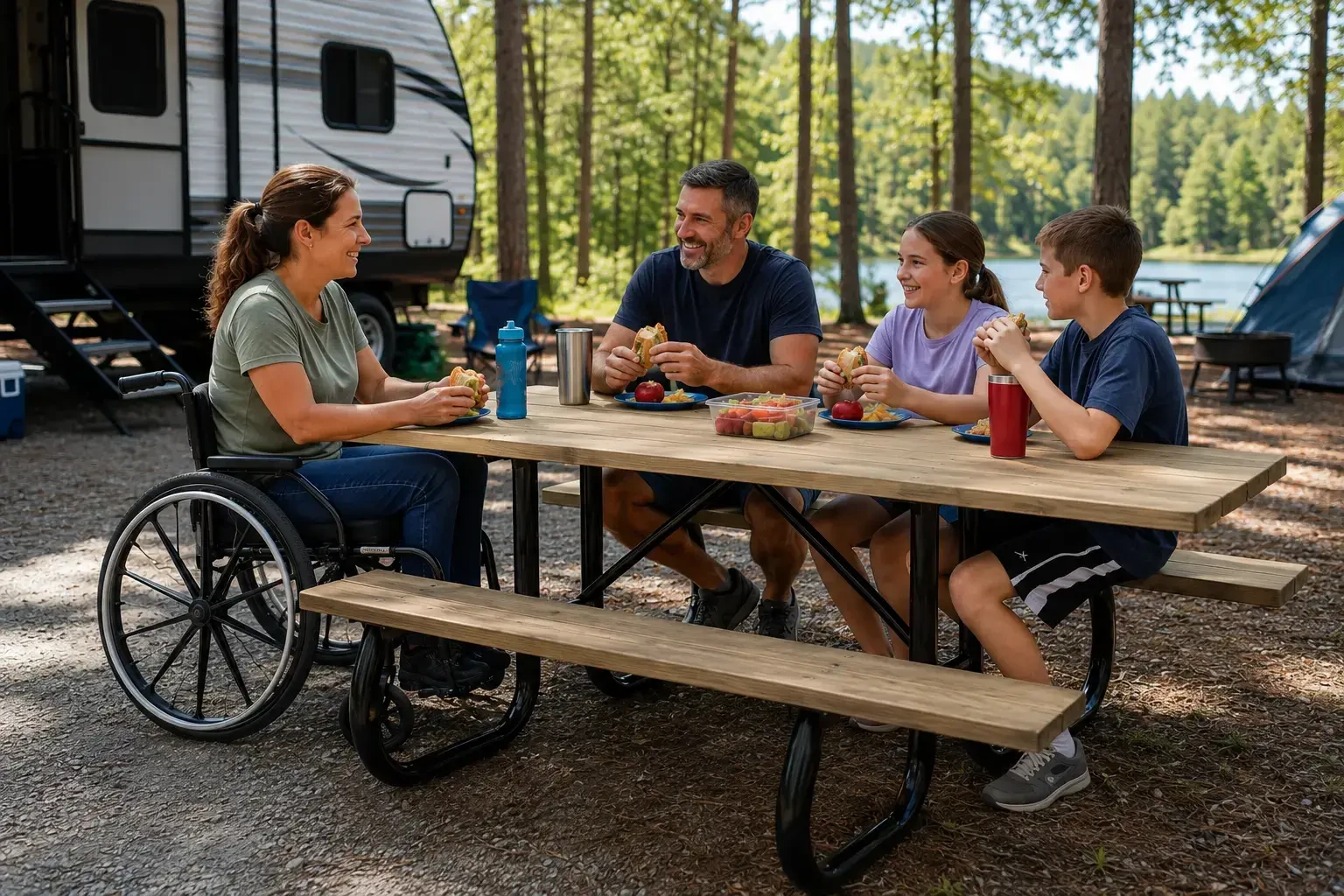
Accessibility should be considered during the initial planning process rather than after tables have already been purchased and positioned. Depending on the table design, accessible configurations may provide extended tabletops or other seating arrangements intended to accommodate wheelchair users.
Municipal buyers should evaluate applicable accessibility requirements when planning the number, type, and placement of picnic tables within a facility.
4. Determine the Best Picnic Table Shape
Rectangular tables may be the most familiar option, but they aren't the only choice. Shape can influence seating capacity, conversation, traffic flow, and how efficiently tables fit into a particular site.
Rectangular Picnic Tables
The classic rectangular picnic table offers efficient seating and works in nearly every type of recreational setting. Multiple tables can also be arranged predictably within pavilions and designated picnic areas.
Best for: General parks, shelters, campgrounds and group picnic areas.
Round Picnic Tables
Round tables create a more social seating arrangement because guests naturally face one another. They can also provide an attractive alternative to rows of traditional rectangular tables.
Best for: Courtyards, social areas, community spaces and smaller gathering zones.
Square Picnic Tables
Square designs combine compact proportions with seating on multiple sides. They work particularly well when a facility needs individual gathering points rather than long rows of seating.
Best for: Plazas, recreation centers, patios and compact picnic areas.
Octagonal Picnic Tables
Octagonal tables create a distinctive centerpiece while allowing visitors to gather around several sides. Their larger footprint should be considered during site planning.
Best for: Destination parks, larger gathering areas and locations where the table itself contributes to the site's design.
Buyer Tip: Use the surrounding space to help choose the shape. Long, narrow areas may favor rectangular tables, while open plazas and gathering areas can accommodate round, square, or octagonal configurations more naturally.
5. Use Color as Part of Your Park Design
.webp)
Color may seem like a purely aesthetic decision, but it can have a significant influence on how commercial site furniture fits into a public space.
Coordinate With the Environment
Earth tones and neutral finishes can help picnic tables blend into wooded parks, trails, and natural landscapes. Greens, browns, blacks, and other understated colors allow the surrounding environment to remain the visual focus.
Reinforce a Facility's Identity
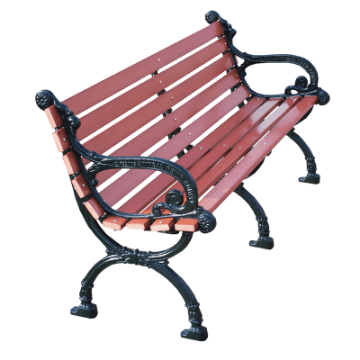
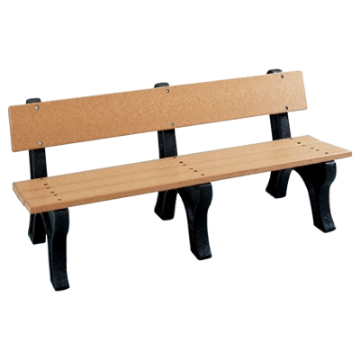
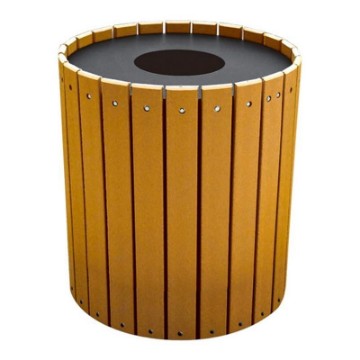
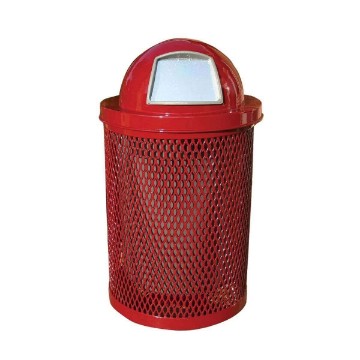
Municipalities and recreation departments can use color to create consistency throughout a facility. Picnic tables can coordinate with benches, trash receptacles, bike racks, playground equipment, shelters, and other site furnishings.
Create Visual Interest
Bright colors can give children's recreation areas, aquatic facilities, and community spaces a more energetic appearance. Different colors can also help distinguish separate areas within a large facility.
Consider Long-Term Appearance
Trends change, but commercial picnic tables may remain in service for many years. Before selecting an unusual color combination, consider whether it will continue to complement the site if surrounding structures, playground equipment, or landscaping change.
Look Beyond the Table: Plan the Entire Site
A successful picnic area is rarely designed around furniture alone.
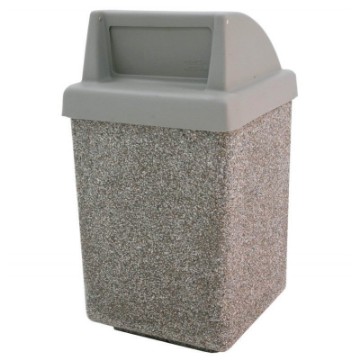
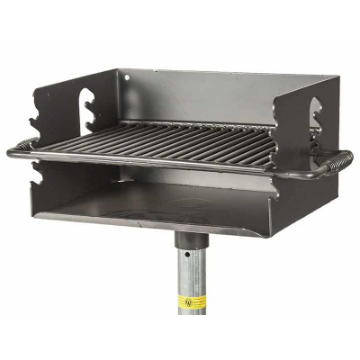
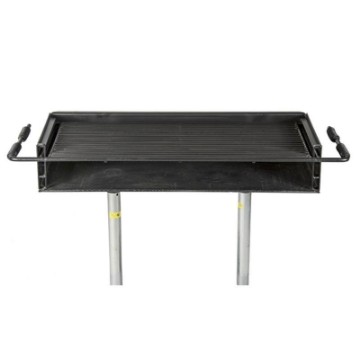
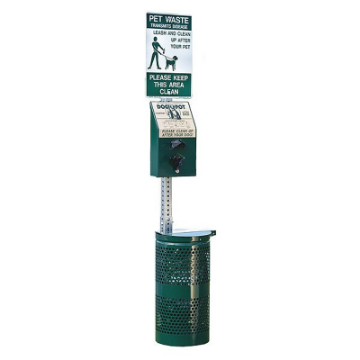
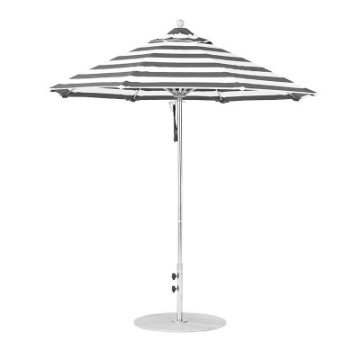
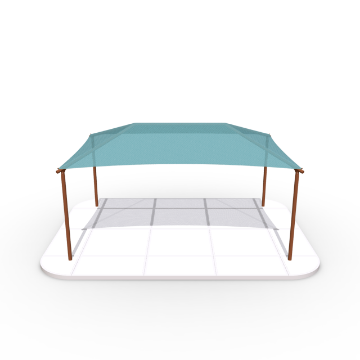
Before ordering, consider how the tables will interact with other elements of the site. Shade structures can make seating more comfortable during hot weather. Trash receptacles positioned nearby can encourage cleaner picnic areas. Grills may influence table spacing, while walkways and accessible routes affect where furniture can be placed.
You should also decide whether tables need to remain portable or be secured.
Permanent or semi-permanent mounting can help maintain an intentional layout and discourage unwanted movement. Portable tables provide more flexibility when recreation departments regularly reconfigure spaces for events, maintenance, or seasonal activities.
The best choice depends on how the facility operates.
Commercial Picnic Table Buying Checklist
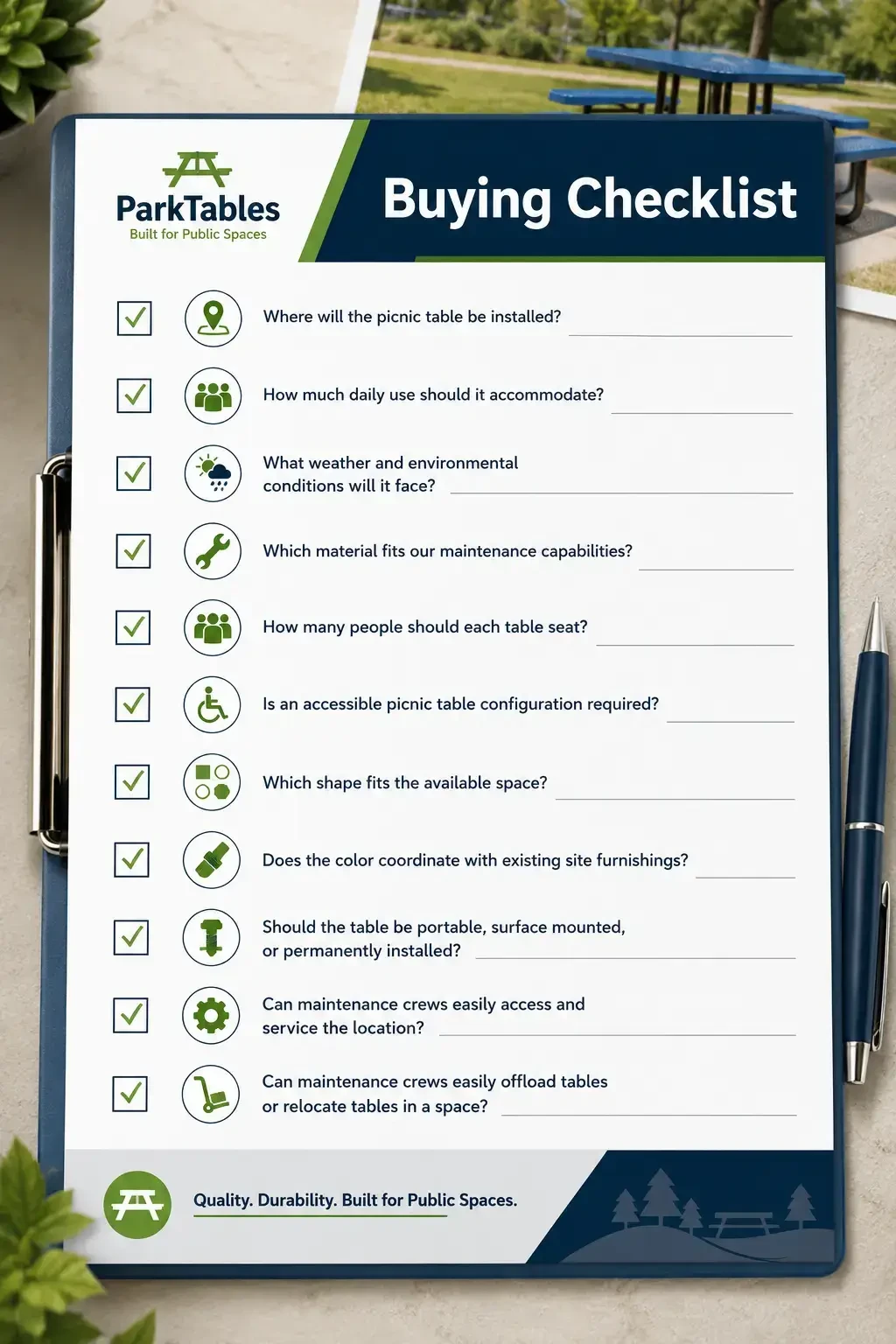
Before making a final decision, ask:
- Where will the picnic table be installed?
- How much daily use should it accommodate?
- What weather and environmental conditions will it face?
- Which material fits our maintenance capabilities?
- How many people should each table seat?
- Is an accessible picnic table configuration required?
- Which shape fits the available space?
- Does the color coordinate with existing site furnishings?
- Should the table be portable, surface mounted, or permanently installed?
- Can maintenance crews easily access and service the location?
- Can maintenance crews easily offload tables or relocate tables in a space?
Answering these questions before ordering can prevent purchasing a table that looks right but doesn't function well for the site.
Build a Picnic Area That Works for Your Community
A picnic table may seem like a simple piece of park furniture, but the right one can help turn an open space into a place where people naturally gather. Families share meals, neighbors meet, children take breaks from the playground, and visitors find a comfortable place to enjoy the outdoors.
For parks and municipalities, thoughtful purchasing means looking beyond the initial appearance of a table and considering how it will serve the community year after year. Choose the location first, select a material suited to the environment, provide the right amount of seating, find a shape that complements the space, and finish the design with a color that feels at home in the park.
When those elements work together, you're not simply adding commercial picnic tables—you're creating better places for people to spend time outdoors.



Leave your comment